
VISI.NEWS | BANDUNG – In the ever-evolving world of blockchain, the term Layer-3 is gaining traction. Many people mistakenly believe it’s just an upgraded version of Layer-2. But this assumption can be dangerously misleading.
What Is Layer-3?
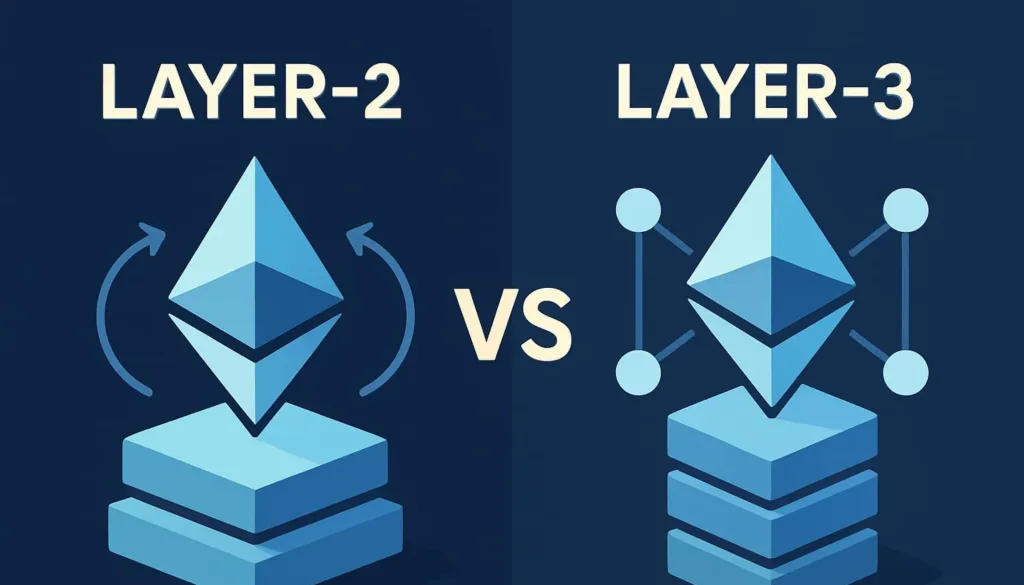
Layer-3 is an additional layer built on top of Layer-2, designed not to replace it but to serve more specific purposes such as privacy, interoperability, and application-specific functionality. It’s a step toward more user-centric and targeted scalability solutions.
Layer-3 vs Layer-2: What’s the Difference?
Layer-2 solutions are built on Layer-1 blockchains (like Ethereum) to improve speed and reduce transaction costs. Examples include Arbitrum, Optimism, and zkSync.
In contrast, Layer-3 offers specialized enhancements.
* Enabling interoperability between blockchains
* Providing extra privacy layers (using zero-knowledge proofs, etc.)
* Supporting custom applications (gaming, DeFi, supply chains)
Layer-3 Examples
Some early Layer-3 projects include.
* Orbs: Infrastructure layer for DeFi applications
* zkStack (by zkSync): Building Layer-3 environments for modular ecosystems
Thinking Layer-3 is simply a “better” Layer-2 is a common misconception. Layer-3 doesn’t replace Layer-2-it complements it with specialized functionality.
If you’re serious about understanding the future of Web3, recognizing this distinction is crucial.
Not financial advice do your own research
@gvr